
 Inquire
 Apply
Apply Give
Give My Wakefield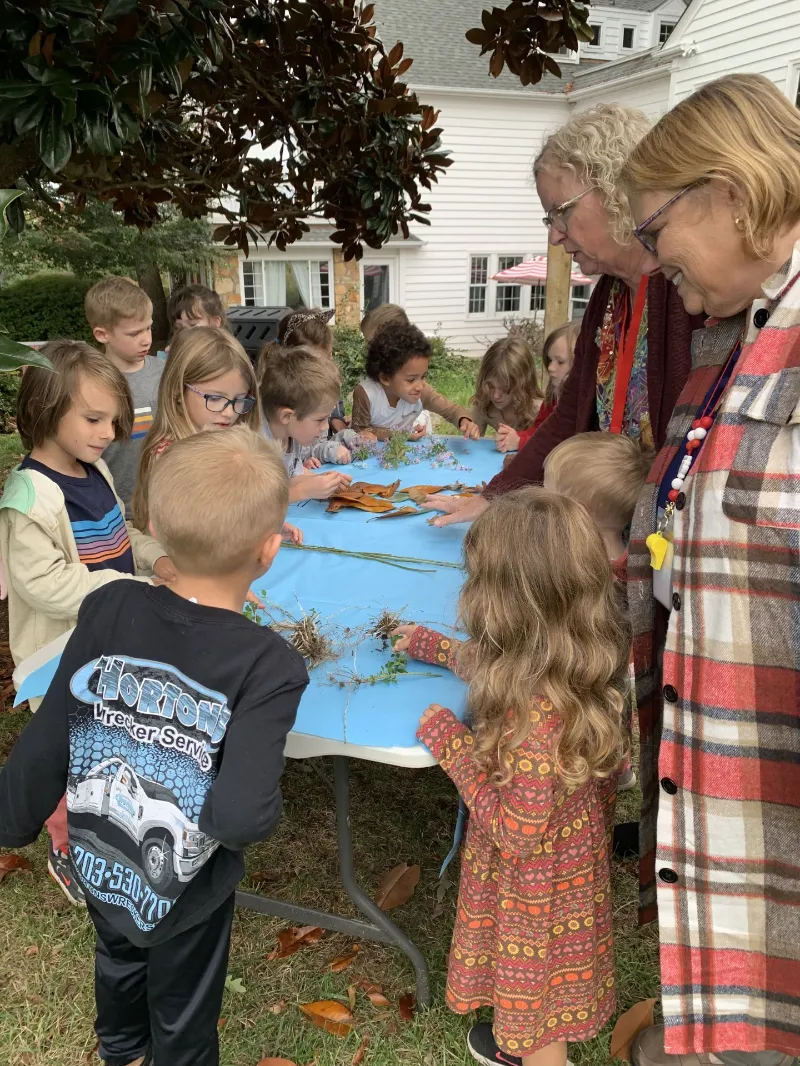
On STEM… and Stems: The beautiful and beneficial intersection of STEM, creativity, and the natural world
April 1st, 2025



On STEM… and Stems
The beautiful and beneficial intersection of STEM, creativity, and the natural world.
By Tutt Stapp-McKiernan
Published in: Warrenton Lifestyle Magazine - April 2025, p. 10 & Haymarket Gainesville Lifestyle Magazine - April 2025, p. 10
“Children all need to be sparked and to be recognized as being creative. Sometimes people think that is only through art, and it’s not–there’s so much more!”
—Tiffany Navin
STEM, the now-familiar acronym for Science, Technology, Engineering, and Math, is everywhere in both elementary and secondary education today. Quite aside from STEM’s appropriateness as preparation for many modern workplace environments, the benefits to students of STEM learning itself are well documented: with its emphasis on student-driven questioning and hands-on exploring, designing, building, and discovery, STEM has been shown to build confidence, develop critical thinking skills, nurture creativity, and establish a love of learning. Not bad!
As in every facet of education, though, whether or not STEM learning actually yields these potential benefits for students lies in the hands of those who deliver it to them: the teachers who can make it come alive, or not.
At Wakefield School in The Plains, veteran kindergarten teachers Michelle Redabaugh and Tiffany Navin mine that most precious of all educational resources–curiosity–to ensure that their students get swept up on a daily basis by the mystery, the excitement, the creativity, and the pure fun of inquiry-based learning and investigation–which of course are the underpinnings of all things STEM.
“People think STEM is just building things,” says Mrs. Navin, referring to the ubiquitous growth of “Maker-Spaces” as part of STEM opportunities in schools. “But what they don’t realize is that STEM is everywhere! We incorporate STEM into everything we do, all day long.” To Mrs. Navin, it’s science, and math, and observation, as the name implies—but it’s also being out in nature and exploring, really exploring, and knowing how to explore. It’s art. It’s creativity. It’s curiosity. It’s everything.
According to Mrs. Redabaugh, their kindergarten team’s commitment to STEM has its roots in Wakefield’s emphasis on inquiry-based learning—and combined with a teacher’s willingness to take an interdisciplinary approach to teaching material, students can be engaged with STEM-style discovery and self-directed learning without even knowing it.
Following the students’ curiosity this year, for example, involved Mrs. Redabaugh in a period of looking for ways to make all of her kindergarten classwork tie in to…DRAGONS! “We researched dragons, we read stories about dragons, sang songs about dragons, drew dragons, we did dragon puzzles, they worked with manipulatives to build dragons. We learned the Dragon Dance that’s used at Chinese New Year. It went in a lot of different directions!”
Mrs. Navin agrees. “We have the flexibility to drop everything and follow students’ leads if we want to, and it’s wonderful,” she says. “If a student asks, ‘Why are all these ladybugs flying around the classroom?’, I can say, ‘Well, let’s try and find out!’”
And then they’re off, onto a new and totally unplanned direction, using inquiry to take a student’s curiosity seriously and get organized to find an answer. Such nimble responses require nimble, creative teachers who are committed to student-centered, love-of-learning classrooms, and who understand that STEM is, at its core, a way of thinking.
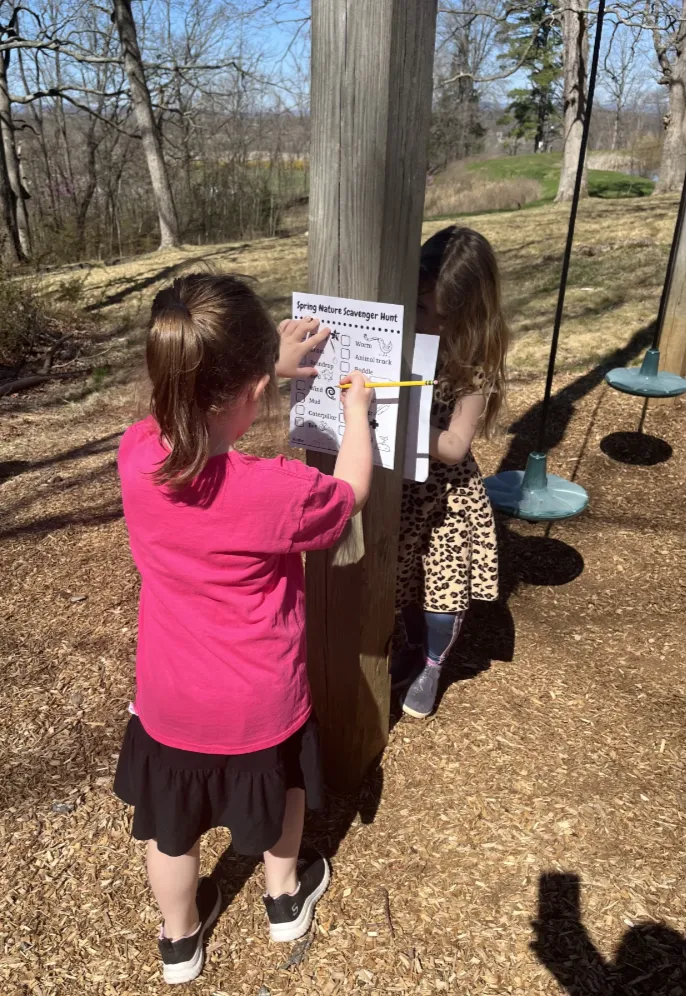
Mrs. Redabaugh and Mrs. Navin agree that Wakefield’s beautiful campus, and especially the school’s emphasis on using it and moving as much instruction outdoors as possible, play right into their efforts to incorporate STEM into their kindergarteners’ everyday experiences. The inspiring Outdoor Classroom, located among towering trees and just adjacent to the woods, is an important part of the kindergarten curriculum.
“They are so happy and content in the Outdoor Classroom!” says Mrs. Redabaugh. “They improve their social skills by cooperating in group activities that are student-led. They are able to take more risks when they are in the Outdoor Classroom. They learn about environmental stewardship and how to take care of the natural world, and it improves their academic performance because everything, everything, is hands-on. When they are learning one-to-one correspondence for counting, we give each of them a little brown bag and we tell them to collect exactly ten acorns! And before they can explore and play, they have to count them out for us.”
“And I think it makes such a difference for them to have unstructured play,” Mrs. Navin adds. “They need it, just to get their hands in, and touching things, and exploring. They have the path now that goes all the way out into the woods, so they can really explore. And they all keep boots and a raincoat here at school–they need to be able to get outside, even if it is a little muddy!”
And there’s that fundamental connection again, between STEM thinking and a mindset of exploration and discovery. “I remember reading,” says Mrs. Navin, “that STEM happens naturally as children explore and investigate the world around them!”
Other Articles to Consider...
 Jun23Curiosity, Meaning, and Service: Rachel Squire Munson ’06 Addresses the Class of 2026
In her Commencement address to the C...See Details
Jun23Curiosity, Meaning, and Service: Rachel Squire Munson ’06 Addresses the Class of 2026
In her Commencement address to the C...See Details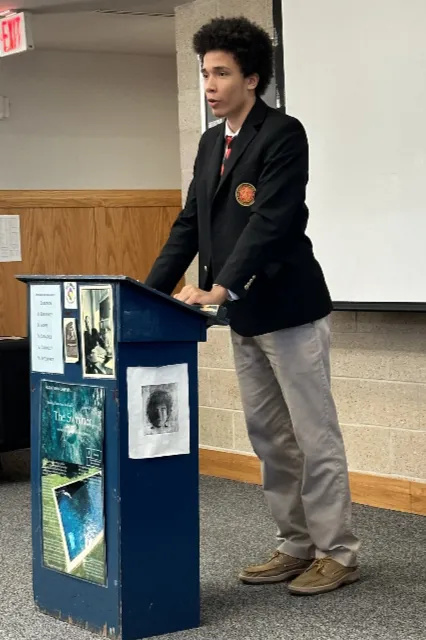 Apr6Scenes from School: "Words and Ideas Can Change the World"Part of our Scenes from School series,&n...See Details
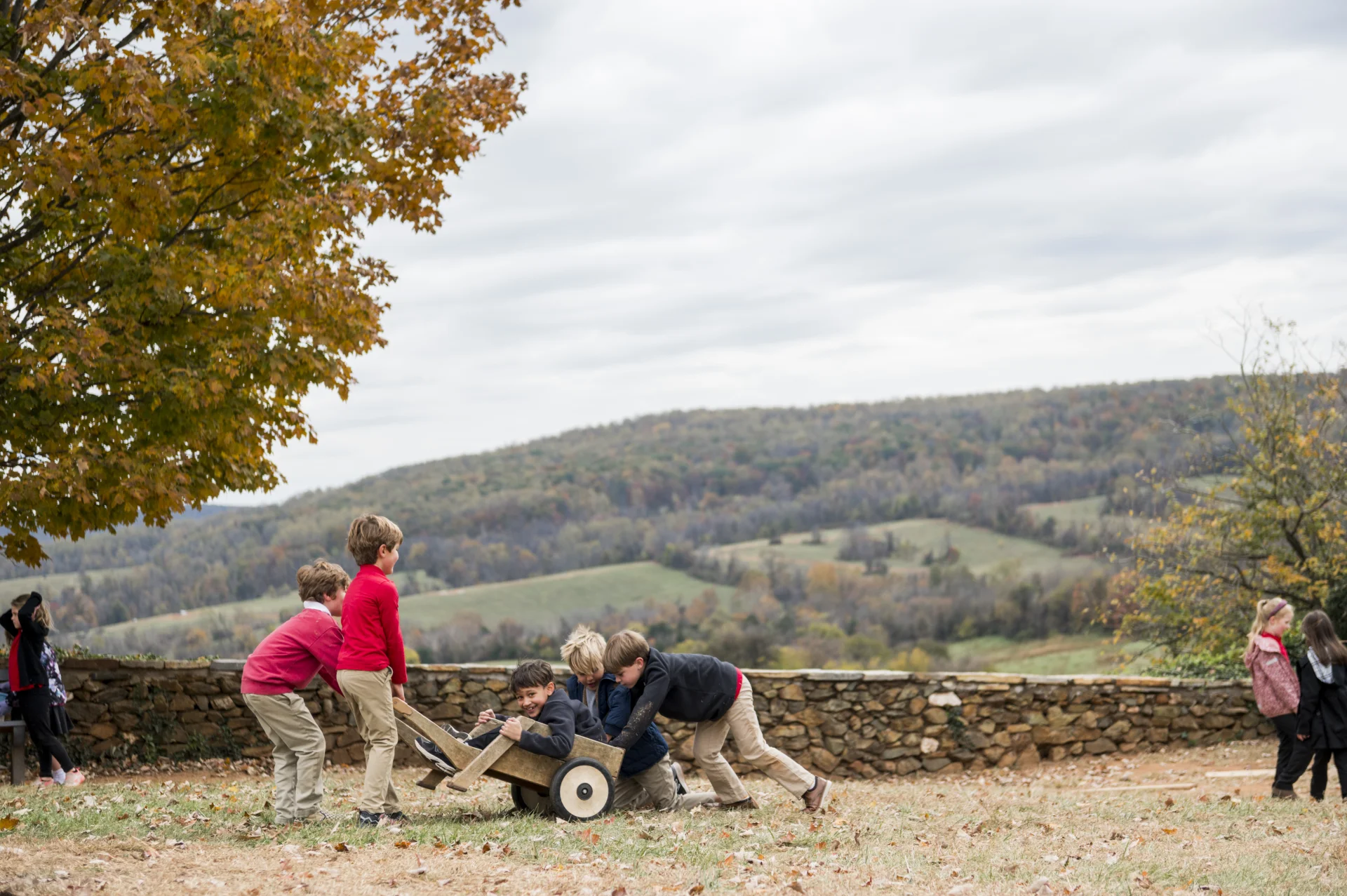 Apr1Strengthening Leadership to Support Wakefield’s Growing VisionWakefield School is strengthening its le...See Details
 Apr1From the Owl's Nest: Familiar Faces Worth Celebrating (Spring 2026)
The Spring 2026 edition of From the ...See Details
Apr1From the Owl's Nest: Familiar Faces Worth Celebrating (Spring 2026)
The Spring 2026 edition of From the ...See Details



 News
News Thought Leaders


