
 Inquire
 Apply
Apply Give
Give My Wakefield
Literacy Begins At Birth: Supporting Early Literacy
October 1st, 2023



Literacy Begins at Birth
Supporting early literacy
By Tutt Stapp-McKiernan
Published in: Warrenton Lifestyle Magazine - October 2023, p. 12 & Haymarket Gainesville Lifestyle Magazine - October 2023, p. 12
“When we think of ‘literacy,’ most people think of reading and writing,” says Ms. Kathryn Mullett, one of two first grade teachers at Wakefield School in The Plains, Virginia. “But there’s more to it than that. There is great empowerment in the ability to communicate your own ideas.”
Decades of research show that a child’s earliest experiences with books and language are predictive of future reading and learning successes. While formally instructing ever-younger children in reading is not developmentally appropriate, Ms. Mullett says the teaching of “early literacy” should begin at birth.
Early literacy can be defined as “what children know about reading and writing before they actually know how to read and write.” Fun-filled sharing of books with family members, page turning (and chewing!) interactions with pictures such as pointing and laughing, anticipating the story in an often-read book, memorizing and joining in on parts of the text, or simply babbling along in imitation of reading—all of these are the signatures of early literacy development. And all of them, Ms. Mullett affirms, begin with a child’s being read to.
“Reading itself is a discrete set of skills,” Ms. Mullett says, and certainly, the teaching of those skills begins in the early years of school—kindergarten students learn letter knowledge and phonemic awareness, for example.
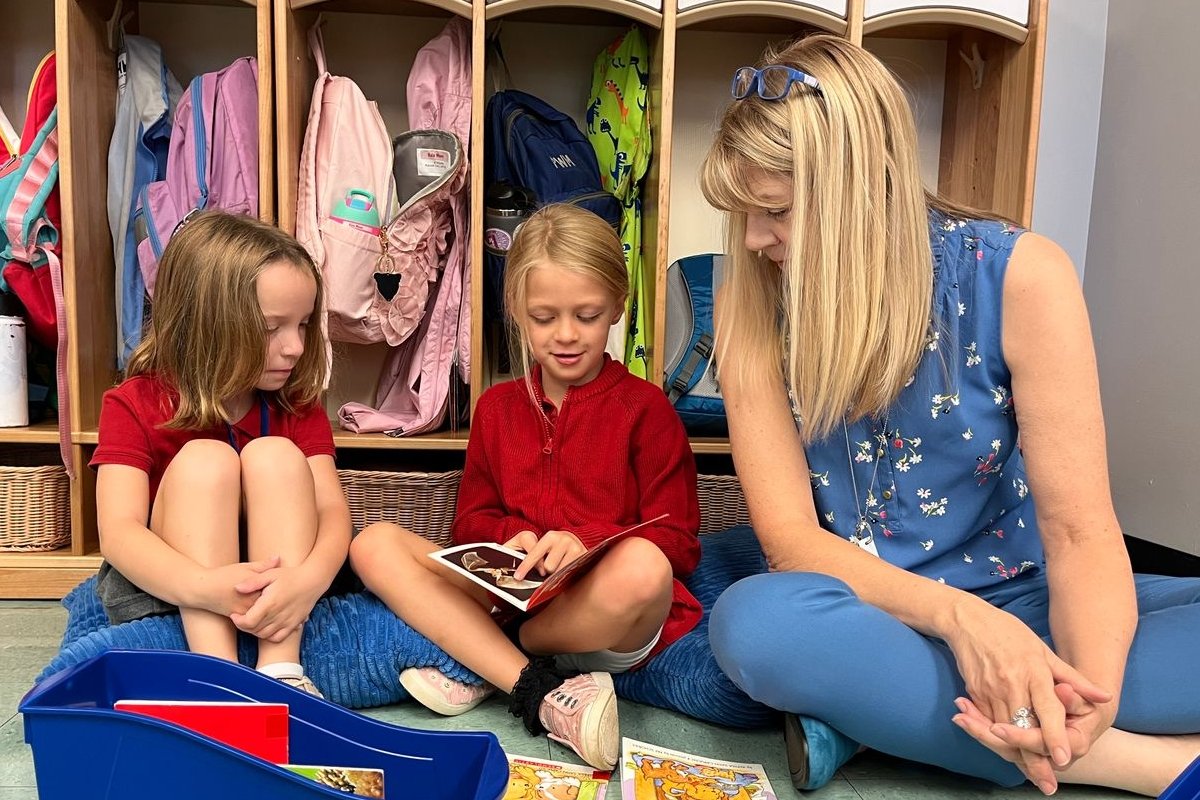
“What we want in the end is for students to, first, develop curiosity; then to know how to find out more on what they want to know about; and then to be able to do something meaningful with what they’ve learned. This is not just for Wakefield—this is for everyone. And what a beautiful world it will be when every kid has that chance!”
—Kathryn Mullett
“But the actual development of language, understanding that books have titles, even knowing whether a book is upside down or not and being able to differentiate between the pictures and the print—these develop from being read to, preferably every day, from birth!...It is the scaffold that matters,”she says, “and the scaffold is all about communication.”
Ms. Mullett and her fellow first grade teacher, Mrs. Sabrina Finn, have worked together to develop classroom environments, habits, and curriculum that create that “scaffold” of early literacy. First graders learn to “play with language”--through hearing poetry, chanting, singing, clapping and rhyming games, and more. And of course, their teachers read aloud to them—every day.
Ms. Mullett’s book-filled classroom also allows students to choose for themselves from among both fiction and non-fiction books at a wide range of reading-readiness levels. Non-fiction books and magazines are grouped by subject matter and linked to subject areas.
This is a practice followed throughout Wakefield’s Lower School grades, where the providing of access to rich non-fiction content, as well as fun and engaging fiction, is seen as key to developing one of Wakefield’s foundational educational goals: curiosity.
Wakefield’s curricular approach is well-aligned with the school’s mission: “to foster the character, curiosity, and clear voices the world will always need.”
Other Articles to Consider...
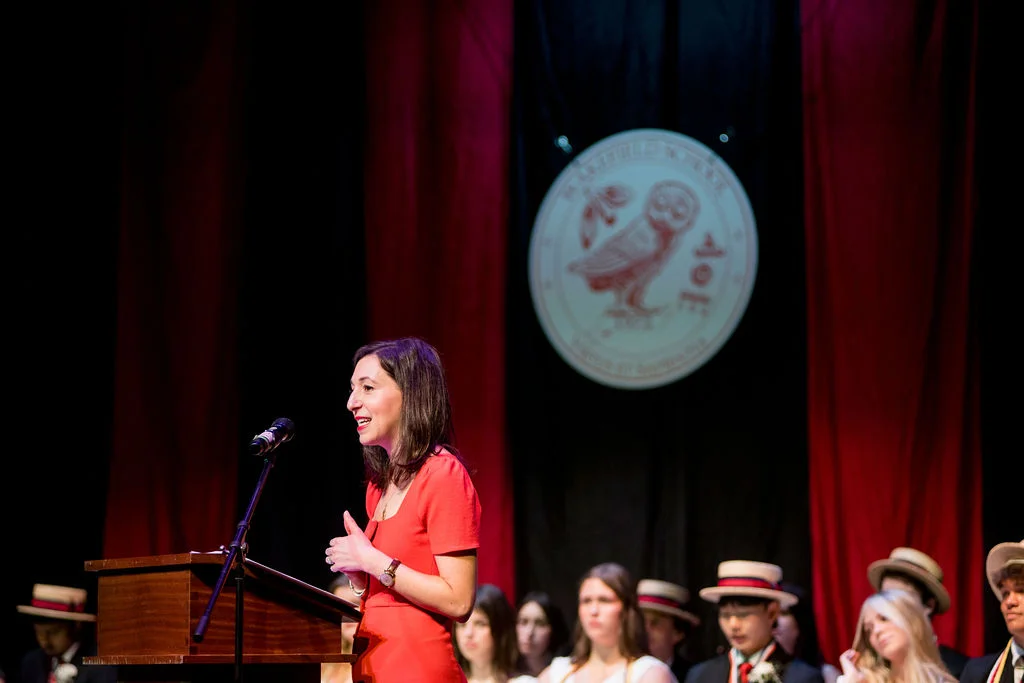 Jun23Curiosity, Meaning, and Service: Rachel Squire Munson ’06 Addresses the Class of 2026
In her Commencement address to the C...See Details
Jun23Curiosity, Meaning, and Service: Rachel Squire Munson ’06 Addresses the Class of 2026
In her Commencement address to the C...See Details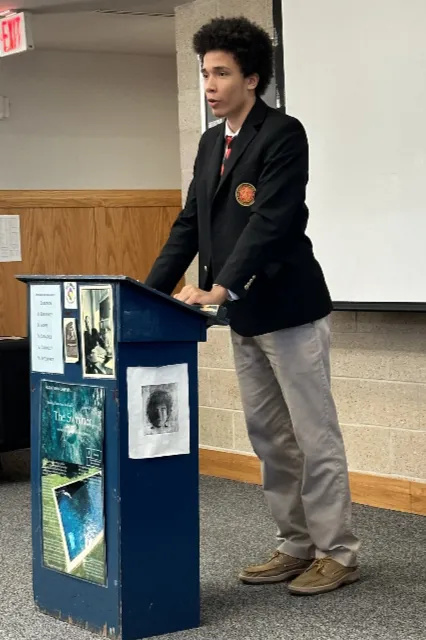 Apr6Scenes from School: "Words and Ideas Can Change the World"Part of our Scenes from School series,&n...See Details
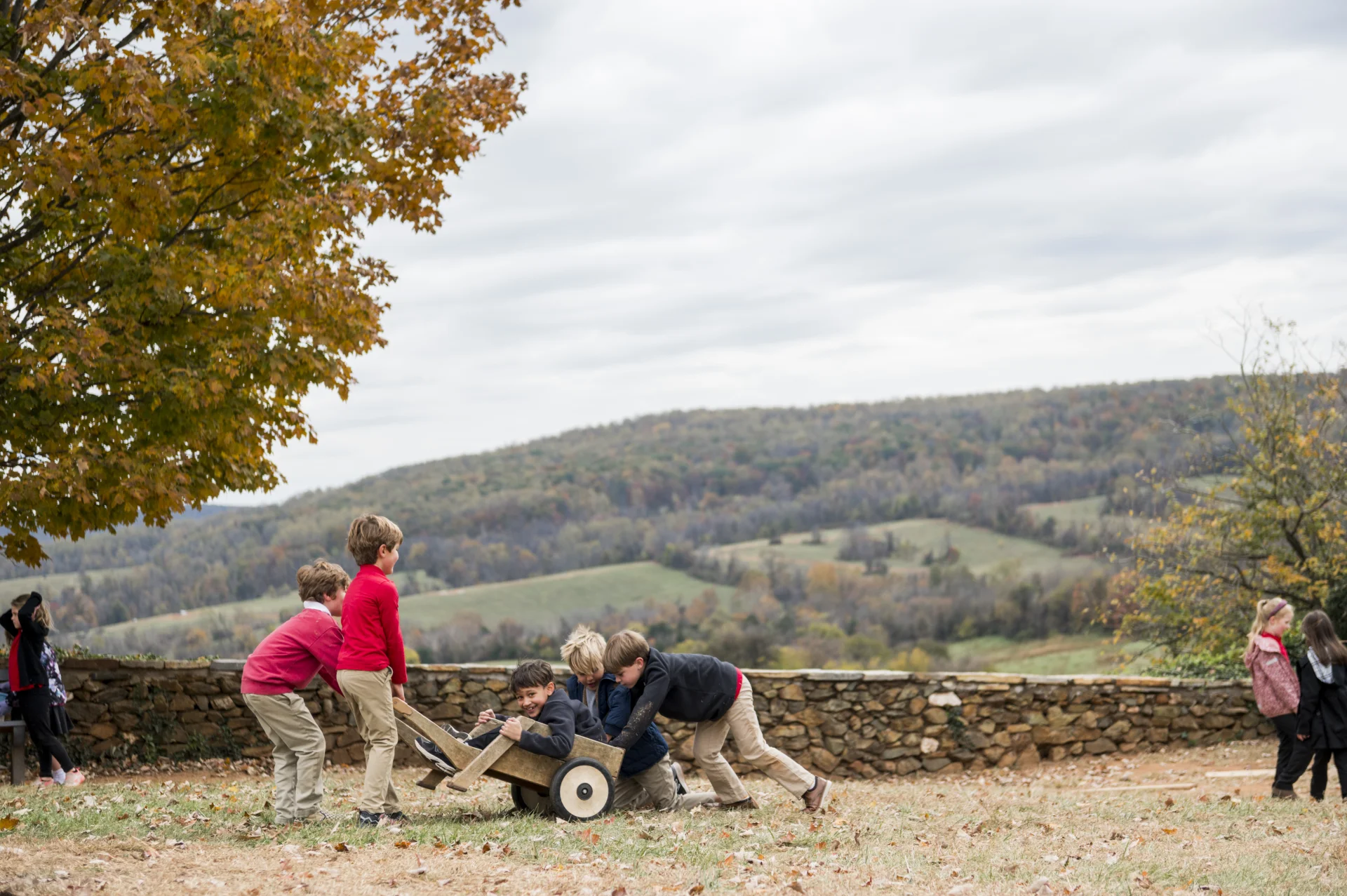 Apr1Strengthening Leadership to Support Wakefield’s Growing VisionWakefield School is strengthening its le...See Details
 Apr1From the Owl's Nest: Familiar Faces Worth Celebrating (Spring 2026)
The Spring 2026 edition of From the ...See Details
Apr1From the Owl's Nest: Familiar Faces Worth Celebrating (Spring 2026)
The Spring 2026 edition of From the ...See Details


 News
News Thought Leaders


